
Hantavirus Outbreak 2026: Symptoms, Risks, and What Travelers Should Know
A deadly hantavirus outbreak on a cruise ship in the Atlantic has captured global attention in May 2026 — and with it, a wave of questions about what hantavirus actually is, how it spreads, and whether the average person needs to worry. If you’ve seen the headlines and want clear answers, this is for you.
The short answer is that the risk to the general public remains very low. But the outbreak has surfaced details about this virus that are worth understanding, especially if you’re planning international travel or simply want to know what hantavirus symptoms look like.
What Is Hantavirus?
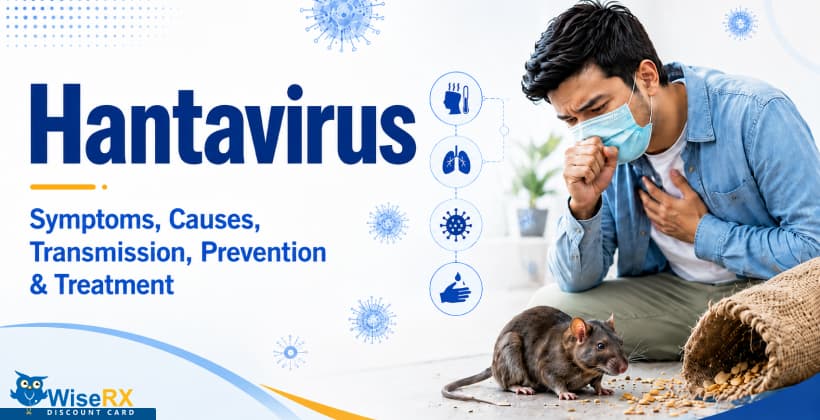
Hantavirus is a family of viruses carried primarily by rodents. Different rodent species carry different strains of hantavirus, and human infections typically occur when people come into contact with infected rodents or their droppings, urine, or saliva. In most cases, infection happens through inhalation of particles from contaminated material.
There are two primary disease forms that hantavirus can cause in humans: Hantavirus Pulmonary Syndrome (HPS), which is more common in the Americas, and Hemorrhagic Fever with Renal Syndrome (HFRS), which is more common in Europe and Asia. HPS is characterized by severe respiratory illness and carries a significant fatality rate.
The 2026 outbreak has been confirmed as the Andes virus (ANDV), a strain of hantavirus found in South America — particularly Patagonia, Argentina and Chile. What makes Andes virus unusual among hantavirus strains is that it is the only known strain capable of human-to-human transmission, though that transmission requires close personal contact.
Scientists have known about the Andes virus since the 1990s, but large outbreaks have historically been limited to rural South America. One of the most significant documented outbreaks prior to 2026 occurred in 2018 in Patagonia, Argentina, resulting in 34 cases and 11 deaths. The current cruise ship outbreak represents a notably different transmission scenario given the close-quarters environment and the international reach of the passengers involved.
What Happened: The 2026 Cruise Ship Outbreak
On May 2, 2026, the World Health Organization (WHO) was notified of a cluster of severe acute respiratory illness among passengers and crew of a cruise ship traveling in the Atlantic Ocean. The ship, MV Hondius, had departed from Ushuaia, Argentina on April 1, 2026 and traveled to remote locations including Antarctica, South Georgia Island, Tristan da Cunha, Saint Helena, and Ascension Island.
As of May 8, 2026, WHO reported eight cases, including three deaths — a case fatality ratio of 38%. The CDC dispatched a team to assess exposure risk among American passengers when the ship reached the Canary Islands. Eighteen American passengers were subsequently repatriated to the United States and placed under monitoring at medical facilities in Nebraska and Atlanta.
Contact tracing efforts are ongoing internationally, as passengers had disembarked at multiple ports before the outbreak was identified. WHO has assessed the overall risk to the global population as low.
The vessel had 147 passengers and crew on board when the illness cluster was first identified, with an additional 34 who had already disembarked at various stops along the route. International health authorities have been working to contact and monitor all individuals who may have had close contact with confirmed cases, including those who traveled on the same flights home from disembarkation points.
Hantavirus Symptoms: What to Watch For
- Knowing hantavirus symptoms is important if you may have been exposed — either through travel to affected regions or close contact with someone who was on the affected voyage.
- For Hantavirus Pulmonary Syndrome caused by Andes virus, the incubation period is typically 4 to 42 days after exposure. Early symptoms can be easy to mistake for other illnesses:
- Early stage symptoms include: fever, fatigue, muscle aches (especially in the thighs, hips, back, and shoulders), headache, dizziness, chills, and gastrointestinal symptoms such as nausea, vomiting, diarrhea, and abdominal pain.
- Late stage symptoms: About four to ten days after the initial phase, respiratory symptoms develop — shortness of breath and fluid in the lungs. This phase can progress rapidly to severe respiratory distress.
- If you were on the affected cruise ship or had close contact with someone who was, and you develop any of these symptoms within the known incubation window, contact a healthcare provider immediately and disclose your potential exposure.
One of the diagnostic challenges with HPS is that the early symptoms — fever, fatigue, muscle aches — overlap significantly with influenza, COVID-19, and other common respiratory illnesses. The critical differentiator is exposure history. If a clinician doesn’t know a patient has recently been to South America or had contact with a confirmed case, hantavirus may not be on the initial differential diagnosis. This is why clearly communicating your travel and contact history to any healthcare provider is so important.
Is Hantavirus Contagious?
Most strains of hantavirus are not transmitted person-to-person. Infection typically requires direct or indirect exposure to infected rodents. The Andes virus is the documented exception — it can spread between people, but only through close contact such as sharing a living space or providing care without proper precautions.
The European Centre for Disease Prevention and Control (ECDC) noted in its assessment that Andes virus does not spread easily, and the types of contact needed for transmission are uncommon outside of very close personal settings. Importantly, the rodents that carry this virus do not live in Europe, so sustained spread through animal reservoirs outside South America is not expected.
This is a meaningful distinction from respiratory viruses like COVID-19, which spread through respiratory droplets across a wide range of casual contact. Experts have consistently emphasized that the current situation is not comparable to COVID-19 in terms of transmission dynamics.
Healthcare workers caring for confirmed hantavirus patients should use standard contact and droplet precautions. Based on current evidence, airborne precautions are not required for Andes virus, but facilities handling confirmed or suspected cases are advised to follow their local infection control protocols. For the general public with no known exposure, standard hygiene is sufficient.
Hantavirus Treatment: What’s Available
There is currently no approved vaccine for hantavirus, and no specific antiviral treatment has been proven effective against HPS. Medical management focuses on supportive care — managing fluid balance, providing oxygen therapy, and supporting respiratory function in severe cases. Early hospitalization significantly improves outcomes.
This is why recognizing hantavirus symptoms early matters. The window between early-stage and late-stage illness can be short, and intensive care in the initial respiratory phase is the primary tool available to clinicians.
Ribavirin, an antiviral medication, has been studied in HPS cases with limited and inconclusive results. Some academic medical centers have used it in severe cases, but it is not a standard of care. Extracorporeal membrane oxygenation, or ECMO, has been used in the most severe respiratory failure cases with some reported survival benefit, though it is only available at specialized facilities. The best outcome remains early recognition and prompt transfer to a hospital with intensive care capabilities.
Managing Prescription Costs During a Health Scare
Health emergencies have a way of surfacing costs people weren’t prepared for. Someone monitoring hantavirus symptoms after potential exposure may end up at an urgent care clinic or ER, walk out with prescriptions for fever management, antivirals, or respiratory support medications — and face a pharmacy bill they weren’t budgeting for. That’s a situation where having a prescription discount card ready matters more than people usually think.
WiseRX®® is a free prescription discount card accepted at over 65,000 pharmacies across the United States, including CVS, Walgreens, Walmart, and most independent pharmacies. There’s no signup, no membership, and the card doesn’t expire. You can download it to your phone in under a minute and present it at the pharmacy counter the same day — which makes it genuinely useful in an unplanned situation.
For travelers returning from affected regions who may need to fill a prescription quickly and unexpectedly, WiseRX®® removes one layer of friction from an already stressful experience. Savings on commonly prescribed supportive medications — including antivirals, anti-nausea drugs, and respiratory treatments — can reach up to 85% off the retail price at participating locations.
This applies beyond hantavirus specifically. Any time a health situation develops quickly — an infection picked up while traveling, an unexpected diagnosis, a prescription you need to fill before your insurance processes a prior authorization — having a no-cost discount card already on your phone is practical preparation. WiseRX®® covers the entire household under a single card, so one download handles everyone in your family.
The Comparison to COVID-19: Why Experts Say It Doesn’t Hold
Since the outbreak became public, comparisons to COVID-19 have circulated widely online. The concern is understandable given that both involve a novel cluster of respiratory illness crossing international borders. But infectious disease experts have been consistent in explaining why the comparison doesn’t hold.
SARS-CoV-2 is a respiratory virus that spreads through droplets and aerosols generated by everyday activities like talking and breathing. Andes virus transmission requires close personal contact with a confirmed case in a specific type of setting — prolonged exposure, not casual interaction. In every documented hantavirus outbreak, widespread community transmission has not occurred. The virus has not historically demonstrated the kind of exponential growth pattern that characterizes pandemic-capable pathogens.
As infectious disease researchers cited in reporting by NPR noted, there is no evidence the Andes virus has mutated into a more transmissible variant, and the biology of the virus does not support a pandemic scenario. The concern is real for those directly exposed — the case fatality rate is genuinely high. The risk to the broader public is a separate question, and on that question, the evidence is reassuring.
What This Means for Travelers
The CDC has noted that the risk to the American public is extremely low. For most travelers, the practical precautions are straightforward: avoid direct contact with rodents and their droppings, particularly in rural or wilderness settings in South America. If you’re traveling to Patagonia or other areas where Andes virus has historically circulated, standard hygiene and rodent avoidance apply.
Travelers on future Antarctic or South Atlantic expedition voyages should be aware of the outbreak history and monitor any symptoms that develop within six weeks of potential exposure. If you were on a vessel or flight where confirmed cases were present, follow the guidance of local public health authorities.
Travel to South America more broadly does not warrant cancellation or concern based on the current outbreak. The Andes virus is endemic to specific rodent populations in the Patagonia region, not across the continent. Routine precautions — not handling rodents, not disturbing potential rodent habitats, and reporting any flu-like illness with a relevant travel history to your provider — are sufficient for the vast majority of travelers.
Conclusion
The 2026 cruise ship outbreak has brought hantavirus to a wider public conversation than it’s had in recent years, and that attention is reasonable. Understanding the symptoms, knowing how this virus actually spreads, and recognizing the difference between genuine risk and panic helps everyone respond appropriately. If you have hantavirus symptoms and a potential exposure history, seek medical attention promptly and be specific about where you’ve been and who you’ve been in contact with. For everyone else, the situation warrants awareness, not alarm.
Frequently Asked Questions
1. Can hantavirus spread through coughing or sneezing?
For most hantavirus strains, no. The Andes virus — the strain in the 2026 outbreak — can spread person-to-person, but it requires close personal contact. It is not transmitted through casual contact the way respiratory viruses are. The risk to anyone not in close contact with a confirmed case is very low.
2. How long after exposure might symptoms appear?
For Hantavirus Pulmonary Syndrome caused by Andes virus, the incubation period is generally between 4 and 42 days. Anyone who may have been exposed to the virus should monitor themselves for symptoms during that window.
3. Should I cancel travel plans because of the outbreak?
WHO and CDC have not issued broad travel advisories beyond those directly related to the affected vessel. The risk to the general traveling public remains very low. If you are concerned about travel to South America, particularly Patagonia, speak with your healthcare provider or check current CDC travel guidance before your trip.
4. Is there a test for hantavirus?
Yes. Hantavirus infection can be confirmed through PCR testing and serology. If a healthcare provider suspects hantavirus based on symptoms and exposure history, they can order appropriate laboratory testing. This is why disclosing your travel history to any provider is important if you’ve visited areas with known hantavirus activity.
5. What should I do if I was on the MV Hondius cruise ship?
If you were a passenger or crew member on the MV Hondius, follow the specific guidance provided by your national public health authority. In the United States, CDC is coordinating with state health departments to monitor repatriated passengers. Contact your local health department or primary care provider, describe your exposure, and monitor for any symptoms for up to 42 days from your last possible exposure date.
Disclaimer: WiseRX® operates in full compliance with HIPAA regulations, with an unwavering commitment to user privacy, and your personal information is never sold or shared.
